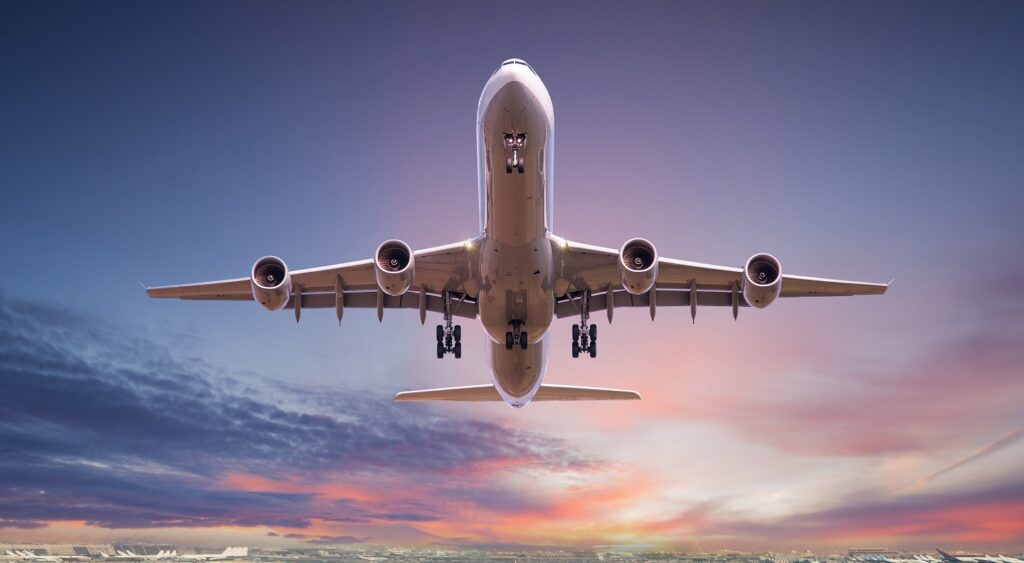
Aviation refers to the activities that revolve around mechanical flight and the aircraft industry. Aircraft include fixed-wing and rotary-wing aircraft, morphable wings, wing-less lifting bodies, and lighter-than-air vessels like hot air balloons and airships. In the 18th century, the hot air balloon, an apparatus capable of atmospheric displacement via buoyancy, gave birth to aviation. One of the most significant developments in aviation technology was Otto Lilienthal’s controlled gliding flight in 1896, and the Wright brothers’ construction of the first powered aeroplane in the early 1900s was a big step forward. Since then, the jet has changed aviation, allowing it to become a major mode of transportation around the globe.
SENSORY BRANDING BY SINGAPORE AIRLINES –
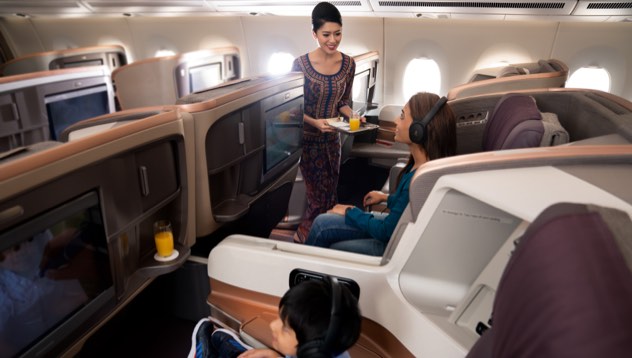
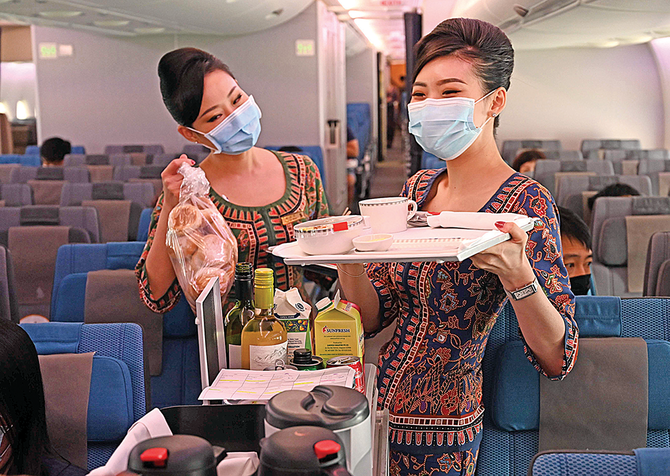
Smell and sight are among the senses that Singapore Airlines appeals to. All flight attendants wear a nice lavender, lemon, and rose aroma, which is sprayed on towels and other items throughout the services. Only when travelling with the airline will we notice this distinct odour. In addition, all flight attendants must wear “The Singapore Girl” uniforms that match their acquired titles in pattern and colour. This airline is known for its sumptuous flights and offers several different cabin options. Its purpose is to provide both centrally and decentrally high-quality, cost-effective, and innovative service.
Singapore Airlines comes up with novel ways to mitigate the impact of the Covid-19 outbreak.
Singapore Airlines has sold out seats for passengers to dine on a stationary plane in an innovative bid to generate revenue in the middle of the epidemic.
Singaporeans have flocked to lunch on a motionless Airbus A380 parked at Changi Airport, despite the high price tag of up to $496 per person, with the airline claiming that the first two seating dates sold out in less than half an hour.
The airline plans to use two of its big planes for each three-hour session. Each plane will be half-filled to meet social distancing criteria. Diners will be able to choose a cabin class and watch a movie while they dine.
The airline has added two extra days due to great demand, with passengers able to sign up for a waitlist for future lunch and dinner sittings. This ground-breaking new service illustrates the airlines’ will to succeed in the face of hardship. It now offers home delivery of its meals, which include dinnerware and amenity packages from the plane.
SINGAPORE AIRLINES HAS BEEN HIT HARD BY THE PANDEMIC
The Group reported a $1 billion loss for the first quarter ended June 30 due to a 99.5 percent decline in passenger traffic caused by the coronavirus outbreak. Revenue fell by 79.3% to $851 million year over year, while spending dropped by 51.6 percent to $1.89 billion.
Following the outbreak, the company decided to cut 4,300 jobs, or around 20% of its staff, spanning Singapore Airlines, SilkAir, and Scoot. A series of joint initiatives, including a hiring freeze, natural attrition, and voluntary exit plans, allowed the corporation to slash 1,900 employment.
While other airlines across the world are regaining ground when domestic flights resume, a city-state carrier like Singapore Airlines does not have this option, pushing it to look for other options.
